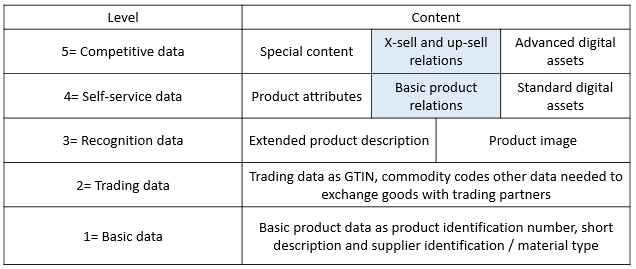
The collection of product data to be handled within PIM (Product Information Management) systems are ever increasing. End customers want more and more data to support purchase decisions.
This theme was pondered in the post Self-Service Ready Product Data.
One new kind of product data to beware of in the future is information about sustainability measures related to a given product. This is information about the environmental impact and the social impact from producing and consuming a product.
As the founder of the Product Data Lake, a solution for exchanging product data in business ecosystems, I am very pleased that sustainability information will be included as an important kind of product data ready to be exchanged between trading partners.

This is due to a cooperation with Earth Accounting. The Product Data Lake will be an integrated part of the information cooperative, where the Product Data Lake will facilitate forward looking manufacturers in providing their own sustainability measures along with all other kind of product data and where progressive distributors and retailers can receive and eventually publish sustainability data along with all other self-service ready product data.

 In my eyes we need solutions build on the data lake concept if we want business agility – and we do want that. But I also believe that we need to put data in data lakes in context.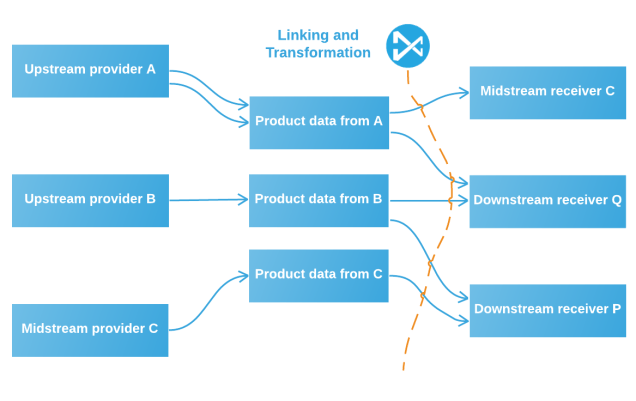
 A pearl is a popular gemstone. Natural pearls, meaning they have occurred spontaneously in the wild, are very rare. Instead, most are farmed in fresh water and therefore by regulation used in many countries must be referred to as cultured freshwater pearls.
 Now social selling has become very close to me in the endeavour of putting a B2B (Business-to-Business) cloud service called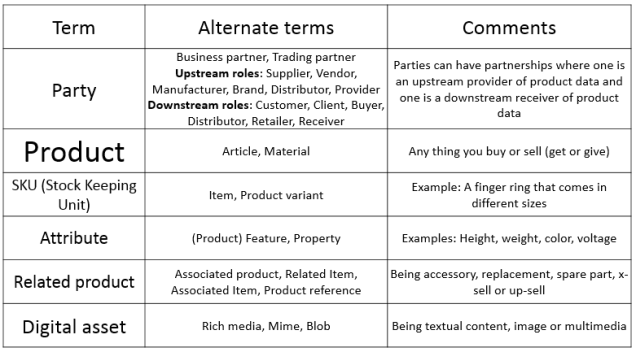
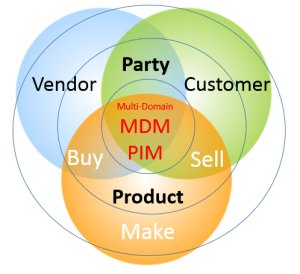 All these solutions constitutes one of the leading Multi-Domain MDM offerings on the market – if not the leading. We will be wiser on that question when Gartner (the analyst firm) makes their first Multi-Domain MDM Magic Quadrant later this year as reported in the post
  Using third party data for customer and supplier master data seems to be a very good idea as exemplified in the post
  When selecting an identifier there are different options as national IDs, LEI, DUNS Number and others as explained in the post
  Liliendahl on Data Quality