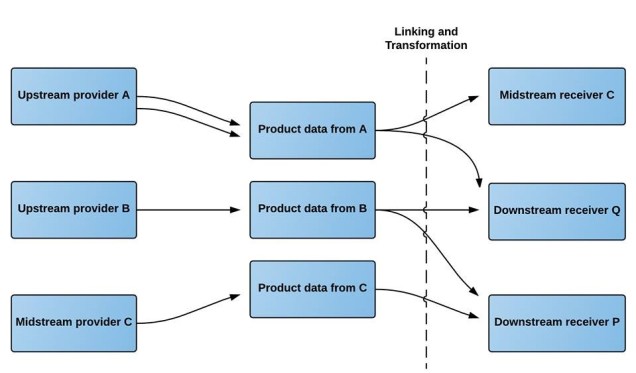
Until now, much of the methodology and technology in the Master Data Management (MDM) world has been about how to optimize the use of what can be called first party master data. This is master data already collected within your organization and the approaches to MDM and the MDM solutions offered has revolved around federating internal silos and obtain a single source of truth within the corporate walls.
Besides that third-party data has been around for many years as described in the post Third-Party Data and MDM. Use of third party data in MDM has mainly been about enriching customer and supplier master data from business directories and in some degree utilizing standardized pools of product data in various solutions.
 Using third party data for customer and supplier master data seems to be a very good idea as exemplified in the post Using a Business Entity Identifier from Day One. This is because customer and supplier master looks pretty much the same to every organization. With product master data this is not case and that is why third party sources for product master data may not be fully effective.
Second party data is data you get directly from the external source. With customer and supplier master data we see that approach in self-registration services. My recommendation is to combine self-registration and third party data in customer and supplier on-boarding processes. With product master data I think leaning mostly to second party connections in business ecosystems seems like the best way forward. There is more on that in a discussion on the LinkedIn MDM – Master Data Management Group.

 When selecting an identifier there are different options as national IDs, LEI, DUNS Number and others as explained in the post

 I am looking forward to visiting London in a fortnight and have already secured tickets for the new musical called
  Semarchy, who has always been kind of kinky with their evolutionary MDM approach as told in the post
  Ataccama has a kinky logo. Also on a recent engagement, we have been working with the data quality analyzer tool from Ataccama. So will be good to learn about all the other stuff as for example the
  Stibo Systems, where I worked some years ago, has just released their new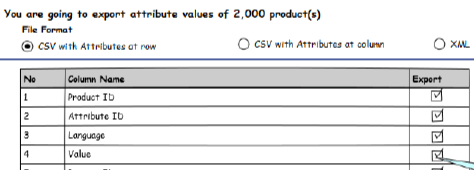
 You may have noticed, that I during the last year have been writing about something called the
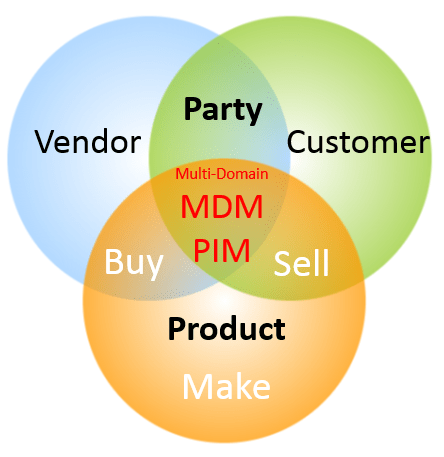
  This is a classic consideration at the heart of multi-domain MDM. As I see it, and what I advise my clients to do, is to have a common party (or business partner) structure for identification, names, addresses and contact data. This should be supported by data quality capabilities strongly build on external reference data (third party data). Besides this common structure, there should be specific structures for customer, vendor/supplier and other party roles.