Master Data Management (MDM) is increasingly being about supporting systems of engagement in addition to the traditional role of supporting systems of record. This topic was first examined on this blog back in 2012 in the post called Social MDM and Systems of Engagement.
The best known systems of engagement are social networks where the leaders are Facebook for engagement with persons in the private sphere and LinkedIn for engagement with people working in or for one or several companies.
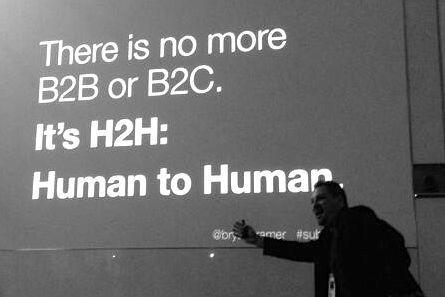
But what about engagement between companies? Though you can argue that all (soft) engagement is neither business-to-consumer (B2C) nor business-to-business (B2B) but human-to-human (H2H), there are some hard engagement going on between companies.
 One of the most important ones is exchange of product information between manufacturers, distributors, resellers and large end users of product information. And that is not going very well today. Either it is based on fluffy emailing of spreadsheets or using rigid data pools and portals. So there are definitely room for improvement here.
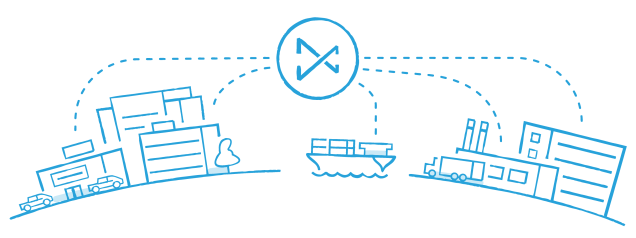
At Product Data Lake we have introduced a system of engagement for companies when it comes to the crucial task of exchanging product information between trading partners. Read more about that in the post What a PIM-2-PIM Solution Looks Like.
 Now social selling has become very close to me in the endeavour of putting a B2B (Business-to-Business) cloud service called
 This is a classic consideration at the heart of multi-domain MDM. As I see it, and what I advise my clients to do, is to have a common party (or business partner) structure for identification, names, addresses and contact data. This should be supported by data quality capabilities strongly build on external reference data (third party data). Besides this common structure, there should be specific structures for customer, vendor/supplier and other party roles.

 Liliendahl on Data Quality