Yesterday I popped in at the combined Master Data Management Summit Europe 2016 and Data Governance Conference Europe 2016.
This event takes place Monday to Thursday, but unfortunately I only had time and money for the Tuesday this year. Therefore, my report will only be takeaways from Tuesday’s events. On a side note the difficulties in doing something pan-European must have troubled the organisers of this London event as avoiding the UK May bank holidays has ended in starting on a Monday where most of the rest of Europe had a day off due to being Pentecost Monday.

Tuesday morning’s highlight for me was Henry Peyret of Forrester shocking the audience in his Data Governance keynote by busting the myth about the good old excuse for doing nothing, being the imperative of top-level management support, is not true.
Back in 2013 I wondered if graph databases will become common in MDM. Certainly graph databases has become the talk of the town and it was good to learn from Andreas Weber how the Germany based figurine manufacturer Schleich has made a home grown PIM / Product MDM solution based on graph database technology.
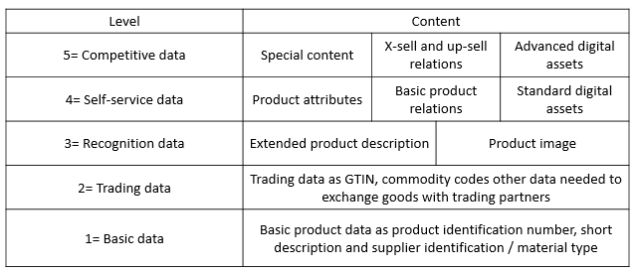
Ivo-Paul Tummers of Jibes presented the MDM (and beyond) roadmap for the Dutch food company Sligro. I liked the alley of embracing multi-channel, then omnichannel with self-service at the end of the road and how connect will overtake collect during this journey. This is exactly the reason of being for the Product Data Lake venture I am working on right now.


 I am looking forward to visiting London in a fortnight and have already secured tickets for the new musical called
  Semarchy, who has always been kind of kinky with their evolutionary MDM approach as told in the post
  Ataccama has a kinky logo. Also on a recent engagement, we have been working with the data quality analyzer tool from Ataccama. So will be good to learn about all the other stuff as for example the
  Stibo Systems, where I worked some years ago, has just released their new
 You may have noticed, that I during the last year have been writing about something called the
  This is a classic consideration at the heart of multi-domain MDM. As I see it, and what I advise my clients to do, is to have a common party (or business partner) structure for identification, names, addresses and contact data. This should be supported by data quality capabilities strongly build on external reference data (third party data). Besides this common structure, there should be specific structures for customer, vendor/supplier and other party roles.
 a lot of consequences in our life and the next big reform is the end of the time zones.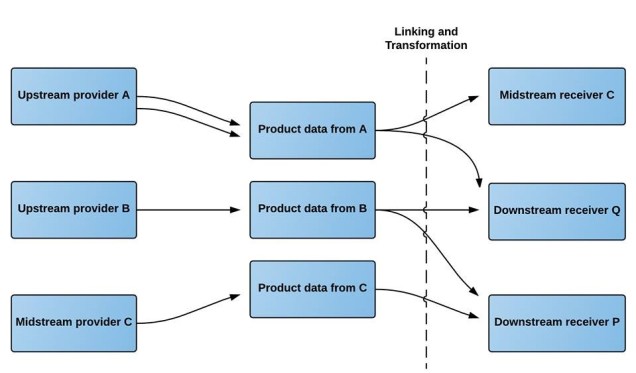
 Liliendahl on Data Quality