 One of the controversial principles in the upcoming EU GDPR enforcement is the concept of data portability as required in article 20.
In legal lingo data portability means: “Where the data subject has provided the personal data and the processing is based on consent or on a contract, the data subject shall have the right to transmit those personal data and any other information provided by the data subject and retained by an automated processing system, into another one, in an electronic format which is commonly used, without hindrance from the controller from whom the personal data are withdrawn.”
In other words, if you are processing personal data provided by a (prospective) customer or other kind of end user of your products and services, you must be able to hand these data over to your competitor.
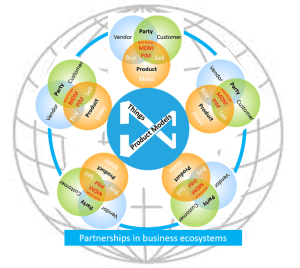
I am sure, this is a new way of handling party master data to almost every business. However, sharing master data with your competitor is not new when it comes to product master data as examined in the post Toilet Seats and Data Quality.
Sharing party master data with your competitor will be yet a Sunny Side of GDPR.
 Don’t panic about
 IIoT / Industry 4.0 is about how manufacturers use connected intelligent devices to improve manufacturing processes where the general IoT theme extends the reach out in the consumer world – with all the security and privacy concerns related to that.
 Recently Salah Kamel, the CEO at the agile MDM solution provider Semarchy, wrote a blog post called
  The analyst firm Ventana Research recently made a report called
  The Sponsors
 Liliendahl on Data Quality