Fuzzy matching techniques were originally developed for batch processing in order to find duplicates and consolidate database rows with no unique identifiers with the real world.
These processes have traditionally been implemented for downstream data cleansing.
As we know that upstream prevention is much more effective than tidy up downstream, real time data entry checking is becoming more common.
But we are able to go further upstream by introducing error tolerant search capabilities.
A common workflow when in-house personnel are entering new customers, suppliers, purchased products and other master data are, that first you search the database for a match. If the entity is not found, you create a new entity. When the search fails to find an actual match we have a classic and frequent cause for either introducing duplicates or challenge the real time checking.
An error tolerant search are able to find matches despite of spelling differences, alternative arranged words, various concatenations and many other challenges we face when searching for names, addresses and descriptions.
 Implementation of such features may be as embedded functionality in CRM and ERP systems or as my favourite term: SOA components. So besides classic data quality elements for monitoring and checking we can add error tolerant search to the component catalogue needed for a good MDM solution.

 Today I stumbled over a company called
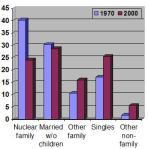 In other words: The real world is not that simple and the picture of how households are forming does change.
 John Smith is the ultimate Anglo common name, but if your favorite external business directory tells you that the 2 companies has the same mother and are modest size organizations, the possibility of John Smith being the same person having the same role at the same time in 2 companies is very high.
 A recurring event every Friday on Twitter is the #FollowFriday with the acronym #FF, where people on Twitter tweets about who to follow.
 During many years of providing solutions for business directory match and tuning these as well as handling such match services from colleagues in the business I have very, very seldom seen a 100% match – even 90% matches are very rare.

 Liliendahl on Data Quality