20 years ago, when I started working as a contractor and entrepreneur in the data management space, data was not on the top agenda at many enterprises. Fortunately, that has changed.
An example is displayed by Schneider Electric CEO Jean-Pascal Tricoire in his recent blog post on how digitization and data can enable companies to be more sustainable. You can read it on the Schneider Electric Blog in the post 3 Myths About Sustainability and Business.
Manufacturers in the building material sector naturally emphasizes on sustainability. In his post Jean-Pascal Tricoire says: “The digital revolution helps answering several of the major sustainability challenges, dispelling some of the lingering myths regarding sustainability and business growth”.
One of three myths dispelled is: Sustainability data is still too costly and time-consuming to manage.
From my work with Master Data Management (MDM) and Product Information Management (PIM) at manufacturers and merchants in the building material sector I know that managing the basic product data, trading data and customer self-service ready product data is hard enough. Taking on sustainability data will only make that harder. So, we need to be smarter in our product data management. Smart and sustainable homes and smart sustainable cities need smart product data management.
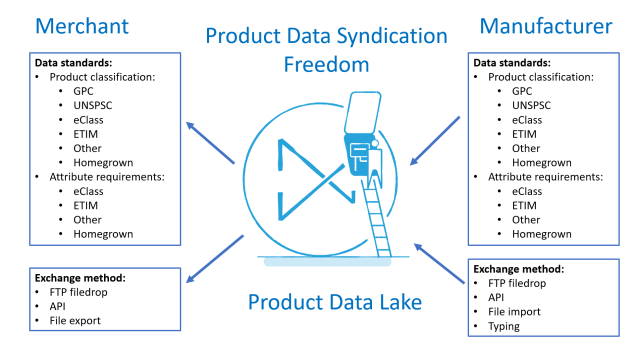
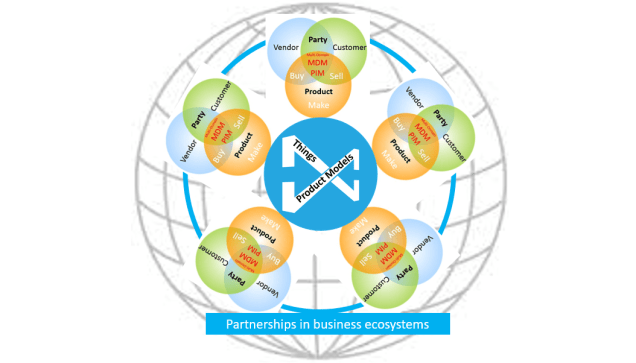
In his post Jean-Pascal Tricoire mentions that Schneider Electric has worked with other enterprises in their ecosystem in order to be smarter about product data related to sustainability. In my eyes the business ecosystem theme is key in the product data smartness quest as pondered in the post about How Manufacturers of Building Materials Can Improve Product Information Efficiency.
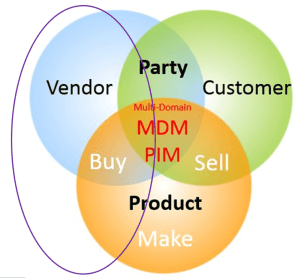 Handling vendor master data shares a good deal of the same challenges as with customer master data, as we are describing real world entities that have a role as a second party to our enterprise. In more cases than what often is acknowledged, vendors may also have a role as a customer or other business partner roles at the same time. In my eyes, we should handle vendor master data as a subset of party master data as described in the post about


 You can read the full report
 Liliendahl on Data Quality